
Views: 0 Author: Site Editor Publish Time: 2026-10-19 Origin: Site


Keep a pub table set looking new by wiping the tabletop after every use, cleaning the metal table base with mild soap and water monthly, avoiding abrasive pads on powder coating table frame finishes, and checking bolts on the pedestal table base twice a year. Store or cover outdoor sets during harsh weather to prevent rust and fading.
Pub tables take a beating. Between spilled drinks, dragged chairs, and daily wear from elbows and glasses, it's no surprise that a table set can start looking tired within a year or two if it's left unattended. The good news is that most of the damage is preventable. With a consistent cleaning routine and a bit of attention to the metal components, a quality pub table set can look sharp for a decade or longer.
This guide breaks down exactly how to clean and maintain every part of your pub table set — from the tabletop finish down to the metal round table legs — so you get the most value out of your investment, whether it's sitting in a home bar, a restaurant dining room, or a backyard patio.
Most people focus their cleaning efforts on the tabletop and forget the base entirely. That's a mistake. The table base is what holds everything up, and in commercial settings especially, it takes on more stress than the top ever will. A pedestal table base supports the full weight of the tabletop and everything on it, while also absorbing constant bumps from chairs, stools, and foot traffic.
For restaurant table bases in particular, durability matters just as much as appearance. A base that rusts, wobbles, or loses its finish doesn't just look bad — it can become a safety issue. That's why choosing a base with high-quality powder coating table frame construction from the start makes long-term maintenance so much easier.
A simple routine goes a long way. Here's a general cleaning schedule that works for most pub table sets, whether they're used at home, in a restaurant, or outdoors.
Task |
Frequency |
Notes |
|---|---|---|
Wipe down tabletop |
After each use |
Use a soft cloth and mild cleaner |
Clean metal base and legs |
Weekly to monthly |
Depends on indoor vs. outdoor use |
Inspect bolts and connections |
Every 3–6 months |
Tighten any loose hardware |
Deep clean powder-coated surfaces |
Every 1–2 months |
Avoid abrasive pads |
Check for rust or chips |
Seasonally |
Address immediately if found |
Apply protective wax (outdoor) |
Twice a year |
Especially before winter |
Restaurants and commercial venues with higher foot traffic should lean toward the more frequent end of this schedule, while a home pub table set used occasionally can get by with monthly attention.
Powder coating is popular for pub table bases because it resists chipping, fading, and corrosion better than standard paint. But it's not indestructible, and using the wrong cleaning method can dull the finish over time.
To clean a powder coating table frame properly:
Dust first. Use a dry microfiber cloth or soft brush to remove loose debris before applying any liquid.
Use mild soap and warm water. A few drops of dish soap in warm water is usually enough to lift grease, dust, and drink residue.
Avoid abrasive pads and harsh chemicals. Steel wool, bleach, and ammonia-based cleaners can strip the coating's protective layer.
Dry thoroughly. Leaving moisture on a metal base, especially around welds and joints, encourages rust to form underneath the coating.
Inspect for chips. If you spot a scratch or chip in the coating, touch it up with a matching powder-coat touch-up pen to prevent moisture from reaching the bare metal underneath.
Choose powder-coated finishes if your table set will see heavy daily use, since the coating holds up better against scuffing than paint or raw metal over time.
A pedestal table base is a single central column design, which makes it sturdy but also means all the structural stress is concentrated in one point. To keep a pedestal base in good condition:
Check the floor plate and footings. The base of the pedestal often has adjustable feet or a flat plate. Make sure these remain level and aren't collecting grime that can lead to rust.
Tighten the center column regularly. Vibration from daily use can loosen the connection between the column and the tabletop mounting plate.
Lubricate moving parts if applicable. Some pedestal bases, especially adjustable height models, benefit from a light coat of machine oil at moving joints.
Clean inside the base cavity. Dust and spilled liquids can settle inside hollow pedestal columns. A quick wipe with a damp cloth every few months prevents buildup.
Restaurant table bases are built to handle constant use: more weight, more movement, and more exposure to spills and cleaning chemicals used during nightly closing routines. This means commercial venues should pay closer attention to a few extra details:
Use food-safe, non-abrasive cleaners since restaurant staff often clean tables multiple times a day.
Check for wobble weekly, not just seasonally, since the frequency of use accelerates wear on bolts and joints.
Replace rubber feet or glides as soon as they show signs of wear, since restaurant floors are often harder and more abrasive than home flooring.
If you're sourcing bases for a commercial space, it's worth looking at purpose-built restaurant table bases designed with reinforced welds and higher weight capacities, since these hold up better under daily commercial use than bases designed for occasional home use.
Outdoor pub tables face a different set of challenges. A garden table base is exposed to rain, humidity, UV rays, and temperature swings, all of which accelerate corrosion if the base isn't properly maintained.
To protect an outdoor table base:
Choose rust-resistant materials from the start, such as galvanized steel or aluminum with a quality powder-coated finish, since these are built to handle outdoor coffee and dining use.
Cover the table during bad weather. A simple waterproof cover prevents prolonged water exposure, which is the leading cause of rust.
Store it indoors during winter if possible, especially in regions with heavy snow or freezing rain.
Wipe down after rain. Standing water left on a metal base for days can work its way into small gaps and start corrosion from the inside out.
Apply a protective wax coating twice a year to add an extra barrier against moisture.
Choose a four-star or weighted base if your garden table set sits in an area prone to wind, since a heavier, more stable base reduces tipping risk and the scuffing that comes from a table shifting position. Options like a four-star premium table base offer the added stability that outdoor settings often need.
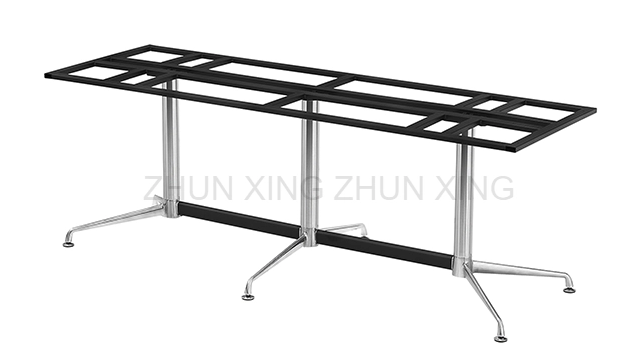
Metal round table legs are common on both pedestal and four-leg pub table designs, and they need slightly different care depending on their finish.
Polished or chrome legs: Use a non-abrasive metal polish occasionally to maintain shine, and wipe with a dry cloth after cleaning to avoid water spots.
Matte or powder-coated legs: Stick to mild soap and water, as polish formulated for shiny metal can leave a residue or streaking on matte finishes.
Threaded or adjustable legs: Check that leveling glides are still snug, since loose glides cause uneven wear and wobbling over time.
Welded leg joints: Inspect these every few months for hairline cracks, especially on tables that get moved frequently, since repeated shifting puts stress on weld points.
A pub table set doesn't need a complete overhaul to stay in great shape — it needs consistency. Wipe surfaces regularly, keep the metal base clean and dry, tighten hardware before it becomes a problem, and choose quality materials like a powder coating table frame or rust-resistant garden table base from the start. These small habits add up, and they're the difference between a table set that looks worn after a year and one that still looks sharp after a decade.
If you're in the market for a new base, whether for a restaurant dining room or a backyard patio, start with a design built for the environment it'll live in. A well-made pedestal table base or set of metal round table legs will always be easier to maintain than one that wasn't designed for the job in the first place.
How often should I clean a pub table base?
For home use, cleaning the base monthly is usually sufficient. Restaurant and commercial settings should clean bases weekly, or even daily, due to higher traffic and more frequent spills.
What's the main difference between powder-coated and painted table frames?
Powder coating creates a thicker, more durable finish that resists chipping, fading, and corrosion better than standard liquid paint, making it a better choice for heavy-use pub tables.
Can I leave a metal garden table base outside all winter?
It depends on the material. Galvanized steel and aluminum bases with quality powder coating can usually withstand winter weather if covered, but storing the base indoors extends its lifespan significantly.
Why is my pedestal table base wobbling?
Wobbling is usually caused by loose bolts at the mounting plate, an uneven floor, or worn leveling glides. Check and tighten all connections before assuming the base itself is defective.
Are metal round table legs better than a single pedestal base?
Neither is universally better. Four-leg designs with metal round table legs often provide more stability on uneven surfaces, while pedestal bases offer more legroom and a cleaner look, making the choice dependent on the setting and seating needs.


